Blog

  • From Classroom to Career

    Emma Wallington


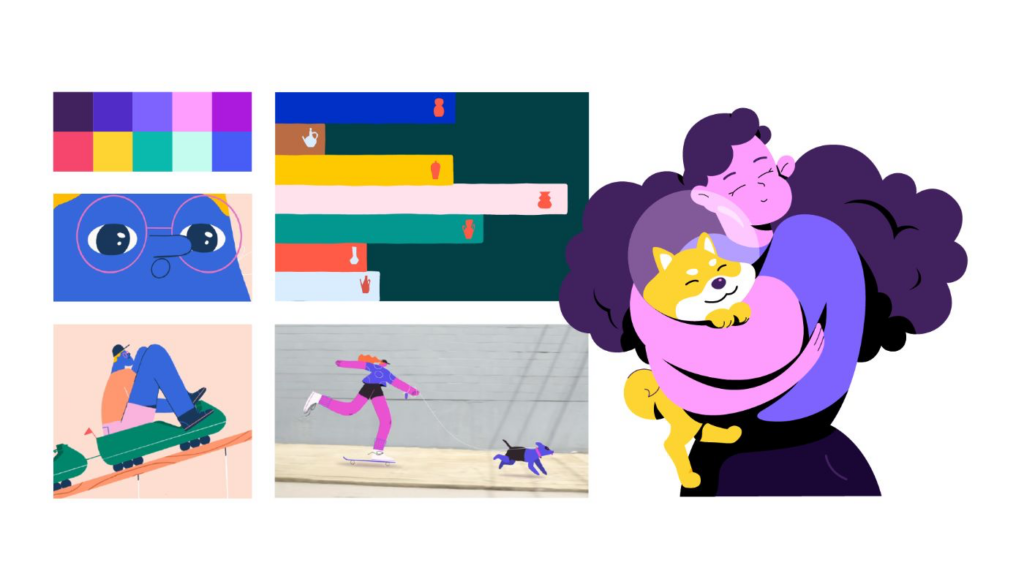
    For my INCAP project my group and I partnered with Ladders, a local thrift store, to explore the emotional and impactful significance of thriftried items within the community. Me and another one of my group members major in psychology and my other group members major in marketing. We incorporated both majors into our project and used our different skills to the best of our abilities. The marketing major designed and created a system in which customers could scan a QR code that was posted in-store and around campus. A system in which customers could submit photos of their purchased items along with a brief reflection of how those items made them feel. We used our knowledge in psychology to create and present the moodboard/presentation in a way that others could understand the importance. The moodboard was meant to represent themes of nostalgia, identity, emotional attachment, sustainability, and overconsumption. This experience gave me the opportunity to practice several skills such as qualitative data interpretation, interpersonal communication, and contextual analysis, which are all skills that are important for success in psychology-related fields. This part of the project reflects the habit of mind purposeful communication by using awareness of context because we designed our flyers and reflection prompt knowing that each participant’s message would come from their own cultural and emotional background. Alongside this, it also demonstrates purposeful expression, since we crafted the QR-code prompt and flyer wording to clearly communicate our goals and encourage meaningful participation from the thrift store community. 

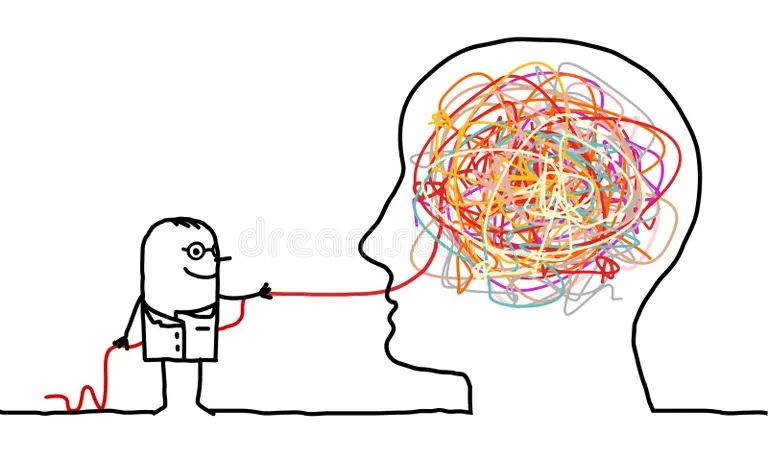
    One of my responsibilities for this project involved putting the mood board together and sorting through all the different photo and description submissions. This process led me to use qualitative research methods that are used in psychology, where open-ended responses are used for themes and emotional content. For example, several participants described their thrifted items to be “comforting”; where I then had to analyze emotional language with sensitivity and accuracy. Psychology requires observation, empathy, and understanding human behavior through data skills; which all were applied during this process of this experiment. This process reinforced the habit of mind self-regulated learning. I engaged in the learning process by analyzing the participants photos and emotional descriptions and practicing qualitative interpretation skills beyond the classroom. I also showed metacognitive awareness, as I had to recognize my own strengths in empathetic reading and my need for improvement grouping emotional patterns to interpret submissions correctly. 
    Creating the flyers with the QR code strengthened my ability to communicate more clearly and create different techniques to motivate participation from others, both of which are very important in psychology roles when dealing with community outreach, program coordination, and counseling support. Working with a marketing major helped me to practice my interdisciplinary skills, which is an important skill in psychology workplaces where the organization may collaborate with educators, business partners, or healthcare professionals. The way we handled this emphasized the habit of mind integrated perspective. I collaborated by working with a business major teammate and that required me to express my own ideas clearly while also listening to her different perspective on design and audience engagement. I also reflected self-awareness, since I became more aware of how my background in psychology shaped my approach to communication compared to the marketing viewpoint she brought to the project. 

    As my group and I organized the submissions and turned them into the mood board, it was important to consider representation, privacy, and the common themes. I felt this process represented the ethical responsibilities in psychology such as respecting patients perspectives and presenting the findings in a way that is both accurate and culturally appropriate. When choosing between which images and quotes to add onto the board, I used my critical thinking skills to examine whether my interpretations of the submissions were in the participants’ own words rather than my assumptions. This part of the process demonstrated the habit of problem solving and the signpost problem framing, because I had to organize the submissions responses and had to determine what counted as an accurate, ethical representation of the participants’ reflections. It also demonstrates decision-making and revision as I chose an approach for choosing the specific images and quotes that applied when something didn’t align with our goals. 
    Ultimately, this project helped me to see how academic projects translate into real-world professional skills. From creating data collection tools to analyzing different emotional perspectives and collaborating across different opinions, each role I took throughout this process related to some of the responsibilities found in many psychology-related careers. Moving forward, I feel more confident in my ability to apply research methods, communicate with different groups, and engage thoughtfully with others. This project not only contributed to my academic growth but also my preparation for my career in psychology. 
    Sources Cited: 

    Wish, Ma. Colorful Countryside Landscape. Scenic Village with Hills, Trees, and Traditional Houses. stock illustration. 18 Apr. 2025. Istockphoto.Com, Istockphoto, https://www.istockphoto.com/vector/colorful-countryside-landscape-scenic-village-with-hills-trees-and-traditional-gm2210801619-627820709. Accessed 9 Dec. 2025. 

    Images, Creativa. Empathy and Emotional Support cartoon animation. 18 Feb. 2025. Shuttershock.Com, Shuttershock, https://www.shutterstock.com/video/clip-3712026841-empathy-emotional-support-cartoon-animation?trackingId=c2a29687-ae73-4581-b403-d53b36d46df1. Accessed 9 Dec. 2025. 

    Aliasching. Two people exchanging opinions & ideas. Dreamstime.Com, Dreamstime, https://www.dreamstime.com/royalty-free-stock-photography-opinions-ideas-image26938667. Accessed 9 Dec. 2025. 

    Moviesyan, Aram. What is a Moodboard? – How You Can Use it in Animation Production. Yansmedia.Com, Yansmedia.Com, https://www.yansmedia.com/blog/what-is-moodboard. Accessed 9 Dec. 2025. Dreamstime. Doctor untangling a brain knot. Vector hand drawn cartoon character –  5 116. Dreamstime.Com, Dreamstime, https://www.dreamstime.com/stock-photos-doctor-untangling-brain-knot-image14449863. Accessed 9 Dec. 2025.


  • Clothes With a Story-A Mood Board

    Emma Wallington

    For my Fashion Futures Signature Project, my group and I decided to focus on exploring sustainability and consumption awareness in fashion. We partnered with Ladders, a local thrift store in Plymouth. We designed a multitude of different interactive flyers with different designs that asked for people to submit a photo and small description to reflect on their personal relationship with clothing and how that article of clothing makes them feel. We will take these responses to create a moodboard to share awareness on the effect being sustainable can have on people. My group and I were very excited to associate our unique majors, marketing and psychology, to create a project that can have a positive effect on the community. We connected fashion, sustainability, community engagement, and supporting a small business together in a way that was creative and meaningful. 

    One of the challenges my group and I faced towards the end of the project was not getting enough responses and engagement with our flyers. At first, it felt very overwhelming because with a lack of responses our moodboard would be unsuccessful. Over a period of three weeks we had accumulated just one singular response…we began to feel doubtful and discouraged. However, we found that by posting our project and flyers on social media, telling our friends and peers about our project, and advertising our project more the project began to move forward. This part of the process taught me a lot about the Habit of Mind, Problem Solving. When we recognized our problem, we broke down the issue and discovered the key components of the problem.  We identified the challenge, acknowledging the setbacks we may also face trying to come up with a solution. Together, we discussed a plan to solve this issue for a day or two, when I remembered some of the suggestions we received from peers during class. I recalled when my fellow students were suggesting we post the flyers on social media via Snapchat, Facebook, Instagram, etc. Using this insight, I posted the project online and it helped with engagement greatly. Furthermore, we were very grateful to have supportive friends who not only took the time to submit a form, but also tell their friends about it in hope to boost attention to our project. 

    Once we collected our submissions, we began working on assembling them into a moodboard. Seeing the different photos and reading the participants descriptions really helped bring the project to life…this is when it got really exciting! For example, a customer at Ladders had posted a photo of some work pants and explained in their description that they had been specifically looking for a nice pair of work pants that fit and they were very happy to be able to find them at Ladders. Preparing for the final Hub presentation was the next big step, it was nerve wracking but also very exciting. Thinking critically and using my integrated perspective skills was critical in sharing our project and its message in a way that would engage the audience. We collaborate both with each other within our group, but also with every individual that submitted a post on the form. We evaluated and took into account the different perspectives and emotions the participants were explaining. We seeked for other perspectives by creating a community engaging project that asks for people to share their thoughts, emotions, and perspectives on the topic of fashion. We connected different perspectives and associated it with the larger issues going on around the world, those being overconsumption, poor quality clothing, and fast fashion. 

    Throughout the project, I relied on my knowledge of the Habits of mind to help guide me to succeed. The signposts, such as self-awareness, plan development, effective application of strategies for communication, and metacognitive awareness are the ones I referenced the most. 

    These signposts were especially helpful when I needed to plan the project, solve any problems that arose, collaborate efficiently with my group, and create a good, insightful presentation. 

    Over the course of the project, I could directly notice how they contributed to bringing my project to fruition. 

    Presenting the mood board at the hub was an amazing and very fun experience. The audience seemed interested and engaged, they asked meaningful questions and some even shared their own experiences with thrifting and overconsumption. I noted that a couple of my friends had said how by participating in our project, I made them think about and become more self-aware of their own spending and clothing habits. It was very exciting that our project managed to spark conversations and personal experiences rather than just a “robotic-like” presentation. This project taught me not only to reflect on my own habits, but it also helped build my confidence in sharing my ideas and how important being creative and working together with group members can be. I feel proud of how it ended up coming together. Most importantly, this project reminded me of how powerful community, creativity, and teamwork is when creating a meaningful project. 

    I wanted to share a short video that shares 5 reasons why working together as a team is important. I choose this video specifically because I feel my group showed all these reasons through the project, those being “Teamwork creates a smoother and looser structure”, “Teamwork encourages flexibility”, “Teamwork enhances problem solving”, “Teamwork improves productivity,” and “Teamwork motivates the workforce.” Throughout this project my team members and I created a strong bond which made the process of the project so much more enjoyable and I feel as though our project was much more successful because of this.


    https://youtu.be/kYjqtLCNqSA?si=2rFBQZiQqoMxgEDH

    Sources Cited: 

    Astiyah, Rini. Small Business Loan Vector Illustration with Store Support Protection and Growth to Develop in Flat Cartoon Hand Drawn Background Templates Pro Vector. Vecteezy.Com, Vecteezy, https://www.vecteezy.com/vector-art/25900459-small-business-loan-vector-illustration-with-store-support-protection-and-growth-to-develop-in-flat-cartoon-hand-drawn-background-templates. Accessed 3 Dec. 2025. 

    JustLight. A group of volunteers stand outside a supermarket handing out flyers and raising awareness for the Juneteenth Scholarship Fundraiser spreading the. Vector illustration AI generated. Dreamstime.Com, Dreamstime, https://www.dreamstime.com/group-volunteers-stand-outside-supermarket-handing-out-flyers-raising-awareness-juneteenth-scholarship-fundraiser-image316271350. Accessed 3 Dec. 2025. 

    Ardana, Yogi. Male architect presenting project concept cartoon illustration. Man engineer standing near drawing board explaining project. draft, and building. Flat vector illustration Pro Vector. Vecteezy.Com, Vecteezy, https://www.vecteezy.com/vector-art/6461674-male-architect-presenting-project-concept-cartoon-illustration-man-engineer-standing-near-drawing-board-explaining-project-draft-and-building-flat-vector-illustration. Accessed 3 Dec. 2025. 

    Artanova, Inna. Art & Illustration stock illustration. 9 July 2020. Istockphoto.Com, Istockphoto, https://www.istockphoto.com/vector/art-illustration-gm1255199947-367135566. Accessed 3 Dec. 2025. 

    Pophotmail. Presentation Business Cartoon stock illustration. 9 June 2017. Istockphoto.Com, Istockphoto, https://www.istockphoto.com/vector/presentation-business-cartoon-gm694295156-128363751. Accessed 3 Dec. 2025. Potential. “5 Reasons Why Effective Teamwork Is Important for All Organisations.” YouTube, YouTube, 8 Jan. 2018, www.youtube.com/watch?v=kYjqtLCNqSA.

  • Laying the Groundwork: Researching Sustainability for My Final Fashion Project

    My group hasn’t done a ton of research for our project. This is because our project specifically is very hands-on and personal and there aren’t many online resources that directly align with our project. Most of the research we did for our project was sources that gave tips on how to better our final project as a whole. I did most of my research looking up websites like how to make good and influential moodboards, how to get a community to engage in student projects, and the benefits mood boards have on society. As our final project is coming to a close and it’s time to start thinking about preparing for the presentation, the research I’ve done to create our mood board and presentation has definitely been beneficial. 

    One of our biggest concerns for our project was the level of community engagement. The chance that someone may notice our poster and take the time to submit a response is against our odds. So of course, as a group we tried coming up with ideas to make our project specifically stand out. Keeping in mind that there are a number of other groups posting flyers not just in our class but in classes all around campus, we felt we had a slight upperhand by working with ladders; a place where student flyers may not be as common. But with that being said, researching tips on how to up the level of engagement for our project is crucial for success.

     I found a website, titled “Community Engagement 101:Ultimate Beginners Guide” (https://visiblenetworklabs.com/guides/community-engagement-101/#elementor-toc__heading-anchor-13) and found a number of tips to help my group out. A section of this article that stood out to me was making sure to identify the short and long term goals of the project. Of course the short term goal is to gather enough responses to create a successful moodboard, but the long term goal is to use these responses to influence the community to be more mindful of sustainability and overconsumption. Using these tips, we concluded some short and some long explanations of the importance of our project and what our end goal of conclusion is within our flyers. The website also concluded 5 strategies on how to engage the community. Strategy 1 was “Public Dialogue and Consultation” . We used this strategy by openly posting our flyers around campus as well as Ladders. Strategy 2 was “Collaborative Partnerships and Co-Creation” . We put this strategy into action by collaborating with Ladders. Strategy 3 was “Research and Data Collection” . We followed this approach by using our resources and researching ways to better our project; and we collected our data using our survey forum. Strategy 4 was “Digital and Online Engagement”. We made use of this strategy by posting our survey on different social outlets such as Facebook communities, Snapchat, and Instagram. The last strategy was “Education and Outreach Programs” we specifically partnered with Ladders because it is a small business that is well known in Plymouth for its warm and welcoming vibe, we hope by having this collaboration with a good cause, nonprofit organization we can use this to our advantage to educate the public about our ideas.

    I also did research on how to make a good moodboard, and the effects and benefits of a moodboard. The websites I used to help guide me are: https://milanote.com/guide/create-better-moodboards and https://toward.studio/latest/the-benefits-of-mood-boarding.  This research helped to guide the group into a solid direction for our project and use our current knowledge and skills to create an inspiring project. After researching we saw adding colorful and alluring methods to our project will draw more attention to our moodboard and hopefully cause students to be more engaged with our project. I learned how to make the mood board more organized and how important it is to explain our thinking while still being respectful to everyone. We will use images, colors, and funk to make a favorable moodboard. Alongside this, I knew it was very important to learn more about the effects our presentation will have, I was mainly more interested in the advantages which is why I did some research on the benefits of moodboards. I learned my group can use our board to rationalize our solutions and show real-life examples of how that is done. A mood board is a great way to lay out information in a fun way and it was a great way to incorporate the psychology majors into the project. 

    I feel that putting in the extra effort to engage with the community, create constructive mood boards, and recognize the effects our project will have on the community showed all examples of the habits of mind. Those being Purposeful Communication, Problem Solving, Integrated Perspective, and Self-Regulated Learning. We showed comprehension of our work by showing understanding of the message our project is attempting to send to the public, as well showed Effective Application of Strategies for Communication by recognizing that others may have different perspectives and opinions on the goal our project is delivering. We demonstrate understanding of Problem Solving by explaining the key components of the problem, that being overconsumption and what can be done to solve this wicked problem. We identify that this challenge is an up-hill battle because this is an issue not just within the small community of Plymouth, but all over the world. We also intend to show plans on how we can possibly solve these issues. We show comprehension of Integrated Perspective by being self-aware through our project and understand that different point of views route from different personal events. My group collaborated amongst ourselves by bringing our different ideas and views to create a project we felt displayed all of our approaches and opinions. We prove  understanding of Self-Regulated Learning by maintaining responsibility for our own learning process and engaging in the project in our own ways to benefit the group. We have recognized that we have completely different majors and we have used the strengths and weaknesses we all have from our knowledge to effectively work together as a group. 

    I wanted to share a short tiktok clip that shares some insight on how to make a fun, informational, and alluring moodboard that we will consider while creating ours: 

    Bibliography: 

    Dave. “The Benefits of Mood-Boarding.” Toward, July 2019, toward.studio/latest/the-benefits-of-mood-boarding. 

    Clancy, Marc. “How to Make a Moodboard: 2025 Step-by-Step Guide.” Milanote, 31 Oct. 2025, milanote.com/guide/create-better-moodboards. 

    “Community Engagement 101: Ultimate Beginner’s Guide.” Visible Network Labs, 21 Nov. 2023, visiblenetworklabs.com/guides/community-engagement-101/#elementor-toc__heading-anchor-13. 

    Lucyedendesign. “Make Your Day.” TikTok, 25 Aug. 2023, www.tiktok.com/@lucyedendesign/video/7271267200772738346. 

    ARAYAPAYON, MR.KISSANA. Students Collaborate to Research Cartoon . 16 Feb. 2020. Shuttershock.Com, Shutter Shock, https://www.shutterstock.com/image-vector/students-collaborate-research-cartoon-1647247663. Accessed 12 Nov. 2025. 

    Flat International Human Solidarity Day Illustration . Freepik.Com , Freepik.Com, https://www.freepik.com/free-vector/flat-international-human-solidarity-day-illustration_33433039.htm#fromView=keyword&page=1&position=0&uuid=10d8adce-1fa1-4f26-b1c8-fb72a3fa8b9b&query=Community+engagement. Accessed 12 Nov. 2025. 

    Thomas , Robert. 144 Moodboards – Digital or in-person Check-in Tool . Teacherspayteachers.Com, Teacherspayteachers.Com, https://www.teacherspayteachers.com/Product/144-Mood-Boards-Digital-or-in-person-check-in-tool-8174651. Accessed 12 Nov. 2025. Velasquez, Diana Johanna. Sustainability World Ecology Environment Cartoon . Alamy.Com, Alamy.Com, https://www.alamy.com/sustainability-world-ecology-environment-cartoon-image414822579.html. Accessed 12 Nov. 2025.

  • Wearing The Change, Sustainable Style For The Future

    Emma Wallington

    My group consists of two majors that are completely different from the other.  Our project idea has evolved through much reflection and teamwork. I’ll admit, In the start, we were lost, we were struggling to find project ideas that would incorporate all our majors, those being psychology and marketing. We came up with several ideas, ranging from a clothing drive, to donating to an organization supporting struggling women, to hosting a fun activity where people dressed up in trendy clothes and took pictures of their outfits; we had so many different ideas that were unique to each other and we spent a lot of time trying to tie all of our good ideas together into one that would make sense. From the beginning we wanted our project to reflect the importance of sustainability and avoiding fast fashion and overconsumption.  After a lot of thought and reflection, we decided to team up with the local thrift store, Ladders, to create a moodboard. 

    After considering our options, we settled on the  idea of creating posters and flyers and hanging them up around Ladders and campus. The strategy is for people to scan the QR code on the flyers  and submit pictures of their thrifted clothes and explain how the outfit makes them feel. We will then take these photos and descriptions to create a mood board so we have a visual representation of how being sustainable, environmentally friendly, and making the effort of supporting a small business makes them feel. We hope to influence people to be more cautious of the clothes they are buying, where they are from, and what the impact is on the environment.  

    Each group member brings unique skills to this project, our marketing major has experience with promotion, visual marketing, and has much insight on the importance of the struggles of maintaining a business. The psychology majors have a background in understanding a person’s motivations (perhaps why they would want to buy a certain article of clothing), consumer behavior, and community engagement.  We find that our project will perfectly tie all these skills we have together into a very fun and interesting project.

    Although we have these abilities, we anticipate there will be some gaps in our knowledge and developing this project. Although our marketing major has experience in digital design, creating both aesthetic and engaging flyers may be difficult because she has never made designs for a project such as this one. Alongside that, managing online submissions in an organizational matter may also be a struggle we will face together. This project pushes us outside our comfort zone by blending creative design with behavioral insight, public engagement, and sustainability messaging; challenging us to merge different disciplines into an efficient, impactful design. 

    Our project incorporates all of the habits of mind, those being  purposeful communication, problem solving, integrated perspectives, and self-regulated learning. 

    Our project demonstrates purposeful communication because we will exhibit knowledge of text by portraying our message of customer awareness and sustainability within our flyers and our moodboard. We will show comprehension of our statement on our moodboard and while we present our results to others. We will use research and facts on our final product to show our understanding of purposeful expression, and while we present we will continue to be mindful of others’ opinions and insight  they share with us displaying our understanding of effective application of strategies for communication. We will apply the habit of problem solving in our project by thoroughly explaining how big of an issue overconsumption is within society and we will give scenarios of how we can solve these issues one step at a time. We will identify these issues by acknowledging this is a wicked problem all around the world and it would take people worldwide to work together to solve this issue. We will develop multiple plans to solve these issues, offering multiple possible solutions on where to begin working on such a big problem.  We understand that this subject will take a lot of time to resolve, maybe not even in my lifetime. So any change, even if it is a baby steps towards success will be evaluated and celebrated regardless of the final goal. We will represent integrated perspectives by showing understanding of each individual’s circumstances and upbringing. Personally, I grew up quite spoiled, my mother loved buying new clothes for me because it made the both of us happy, but as I grew older I recognized a problem that had to be solved: overconsumption. Now, almost all of my clothes are bought from thrift stores or small businesses; and I feel very happy with my decisions the last couple of years to be much more aware of this. With this being said, I will use my experiences  to show compassion to those who have different opinions or why they may think it is a non-issue. We will use our own opinions and ideas to collaborate with others who might have a different perspective to help one another in our goal to help society. Each group member will demonstrate awareness of self regulated learning on our own accords. Personally, I hope to learn more about the severity and different perspectives on how overconsumption hurts the world globally and I hope to learn more about what I can do to stop it. I am very committed to not just this one project, but the goal that seems almost impossible to resolve, that is taking over the fashion industry.  Recognizing my strengths and weaknesses through the process of performing this project will be very important for success because I am determined to share awareness on this dilemma while recognizing the mistakes I’ve made myself, whether in the past or the present. Breaking down the habits of mind and using that knowledge to incorporate it into this project is very exciting and important for the success of this campaign.

    Having touched multiple times on how overconsumption impacts individuals all around the world, I wanted to share a short video that shares how a very big fast-fashion incorporation, Shein, affects the people who live in China. 

    https://www.youtube.com/watch?v=YMxWnJcuvx8

    Sources Cited:

    EireenZ. “Vector Illustration of Slow Fashion Concept with Earth Planet Globe, Clothes Hanger and Reuse, Reduce, Recycle Symbol Stock Illustration,” Istockphoto.com, 3 Apr. 2021, www.istockphoto.com/vector/vector-illustration-of-slow-fashion-concept-with-earth-planet-globe-clothes-hanger-gm1321460317-407680539. Accessed 3 Nov. 2025.

    Sabelskaya. “Women Trying on Vintage Clothes from Second Hand Shop, Flat Vector Illustration Isolated on White Background. Cardboard Box with Old Clothes. Concepts of Charity and Donation.,” Shutter Shock.com, 6 Nov. 2022, www.shutterstock.com/image-vector/women-trying-on-vintage-clothes-second-2223215653. Accessed 3 Nov. 2025.

    loseyourself. “A Cartoon Showing a Group of Coworkers Gossiping about a Struggling Colleague Unaware of Their,” Freepik.com, www.freepik.com/premium-vector/cartoon-showing-group-coworkers-gossiping-about-struggling-colleague-unaware-their_173364673.htm. Accessed 3 Nov. 2025.

    Kononok, Vladimir. “Symbol of Teamwork, Cooperation, Partnership. Stock Illustration,” Istockphoto.com, 30 Apr. 2020, www.istockphoto.com/vector/symbol-of-teamwork-cooperation-partnership-gm1262600344-369443563?searchscope=image%2Cfilm. Accessed 3 Nov. 2025.

    Nagiev, Rudzhan. “Man with Psychological Help. Man and Woman Discussing Psychological Problems. Psychologist with Client. Consultation and Support. Person with Mental Issues. Flat Vector Illustration Stock Illustration,” Istockphoto.com, 22 Apr. 2024, www.istockphoto.com/vector/man-with-psychological-help-man-and-woman-discussing-psychological-problems-gm2162869630-583241145. Accessed 3 Nov. 2025.BBC News. “Shein: Inside the Chinese Factories Fuelling the Fashion Giant’s Success | BBC News.” YouTube, BBC News, 13 Jan. 2025, www.youtube.com/watch?v=YMxWnJcuvx8. Accessed 3 Nov. 2025.

  • The Hike of The Habits of Mind

    Emma Wallington

    College and life outside of school has challenged me in ways I didn’t expect. Becoming a young adult has been a challenge of figuring out who I am and how I choose to handle the setbacks that are handed to me throughout life. The four habits of mind: purposeful communication, problem solving, integrated perspective, and self-regulated learning are not strictly educational goals but have become priorities within my life. Reflecting on my journey as a college student, I would say I am between both basecamp and climbing. I am always learning new things about myself, relationships, education, and more. I believe I still have work to do and things to learn about which is where I feel I am basecamp, but I also find myself climbing because I have also found myself building off of this education and awareness all of the time. 

    ‎

    Self-Regulated Learning

    When I first began my journey as a college student, my version of self-regulated learning was mainly before black and white. Whether this be a slideshow, an exam, essays, etc. What I found before college I was the kind of student to read off of the board, adding no character to my presentations and almost robotic-like. While writing essays I would sort of ramble on without interest in the topic just to reach the desired word count. Or for an essay I focus more on what my grade would be rather than actually learning any of the information that was being taught to me. Over time, I’ve grown to realize that I wasn’t even passionate about my education, just doing enough to get by. One signpost I feel as though I have gotten stronger is “Engagement in the learning process.” Now, I find myself taking charge of my own education by being consistent with a planner to stay on track, studying for weeks for upcoming quizzes rather than a last minute cram session, taking notes during class, involving myself in class discussions, and more. As said on the sign-post website, I’ve realized that “acquiring new knowledge and skills requires commitment to the learning process.” Which is completely true, it is fairly easy to get a college degree, but to get a degree as well as feeling confident in your degree and your education is a completely different perspective. 

    Problem Solving

    As a psychology major, I’ve come to realize that responding to a problem is just as important as understanding what the underlying problem is. The signposts that resonate the most with problem solving are “problem framing” and “challenge identification”. In one of my cognitive psychology courses, we researched a number of different case studies in which involved making decisions and problem solving under a great amount of stress. Through this research, I’ve noticed a pattern of people jumping the gun on a solution to said problem without taking the time to discover what the core issue is; this is something I am guilty of as well. For example, I was in a group project with other students and I often found myself stressed out because I noticed my groupmates would really push the deadline or contribute to the project in ways that seemed irrelevant. I was not only stressed out, but I was frustrated with my groupmates. When I took a second to step back, I realized the real problem was simple. We simply had to clarify who would be responsible for what. Assign specific topics and slides, and certain duties. Once we did this, making it less confusing for everyone involved, the ball started rolling much smoother afterwards. Problem solving is specifically still a habit I find myself climbing. As I’m sure many people can agree, it is far too easy to let emotions get in the way when trying to figure out how to solve an issue. I have been getting better at pausing, taking a step back, and “describing key components to the problem.” This is not always easy to do when it is needed in a timely manner, but I believe I am getting better at this.

    Integrated Perspective

    Integrated Perspective has been the most challenging habit for me to strengthen, yet also the most rewarding. The signposts “Effective application of strategies for communication” and “self-awareness” have been the signposts I have found myself working on the most in this area. Seeing the surface level of someone else’s viewpoints and understanding their perspective is not the only thing that is important, but also being more self aware of how I voice my opinions with diverse audiences. For example, in class today we did a class activity that focused on all our different majors and how they can be connected with each other. Some were psychology majors like me, some marketing, some theater and dancing, etc. I found that this activity changed my entire perspective and how there is always a way that people can use their education and opinions to come together and problem solve and help one another. We talked about how our majors related and how we could connect the two together in any way. Some majors were harder for me to come up with an idea than others, but in the end I always found one. This assignment was also an example of interconnectedness and I appreciated the assignment.  

    Purposeful Communication

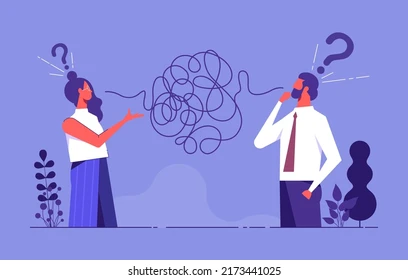
    Effective communication has always been a challenge for me, this is a habit where I find myself climbing because I work hard to become better at this. I have always had more of a shy personality which can make it hard to thoroughly express my ideas and opinions. Early on, I tended to write or speak in a way that might only make sense to myself or other people that came from a similar background as myself; but overtime I have learned the importance of “Awareness of context”. Realizing everyone comes from different families, different crowds, different cultures, different countries, etc. can most definitely affect how they communicate with others. Being able to recognize that every single person has a different perspective of life has completely changed the way I interact with others. A specific challenge I have always and still have is “Collabaration” . I say this because I tend to find myself planning on what to say next during a discussion rather than fully hearing others. I’ve realized that voicing myself clearly is just as important as listening deeply to others. 

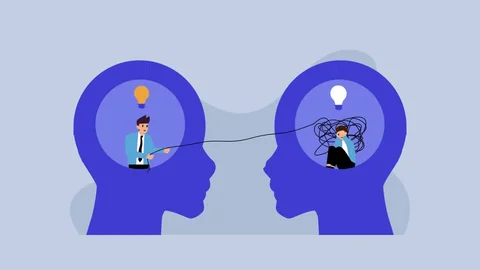
    As someone with ADHD, I mentioned earlier I sometimes find myself waiting to say what I want to say rather than fully listening to others while having a discussion which has made the habits integrated perspective and effective communication difficult for me to achieve sometimes. I found a video that explains how this can be difficult to do as someone with ADHD, and some tips about how to be more mindful of your behavior. 

    Habits of Mind With ADHD

    As someone with ADHD, I mentioned earlier I sometimes find myself waiting to say what I want to say rather than fully listening to others while having a discussion which has made the habits integrated perspective and effective communication difficult for me to achieve sometimes. I found a video that explains how this can be difficult to do as someone with ADHD, and some tips about how to be more mindful of your behavior. 

    https://www.instagram.com/reel/DNCFMUVpABM/

    ‎

    Sources Cited

    Maguire, Caroline. “Caroline Maguire: Social Coach on Instagram: ‘🚨new Youtube Episode🚨 Do You Find Yourself Saying the Wrong Thing at the Wrong Time? My Latest Youtube Video Can Help! 🗣️ Link in Stories 👆 #neurodivergent #authorcarolinem #adhd #adhdcoach #adhdcommunity #adhdsupport #friendship #adhdwomen #adhdawareness #parenting.’” Instagram, www.instagram.com/reel/DNCFMUVpABM/. Accessed 9 Sept. 2025. 

    Treety. Problems in Communicating Concept Misunderstanding Create. 29 June 2022. Shuttershock, https://www.shutterstock.com/image-vector/problems-communication-concept-misunderstanding-create-260nw-2173441025.jpg. Accessed 11 Sept. 2025. 

    Team ZenBuisness. 11 Steps to Effective Communication Skills That Get Results. 19 Feb. 2025. ZenBuisness, https://www.zenbusiness.com/blog/effective-communication/. Accessed 11 Sept. 2025. 

    Ridder, Pict. Roped Climbers Climb The Side of The Mountain as They Walk Along a Ridge at Sunset-Stock Illustration. 11 Dec. 2019. Istockphoto, https://www.istockphoto.com/vector/roped-climbers-climb-the-side-of-a-mountain-as-they-walk-along-a-ridge-at-sunset-gm1193315538-339382983. Accessed 11 Sept. 2025. 

    SEEK Content Team. Problem-Solving Skills And How to Improve Them (With Examples). 23 Nov. 2023. Seek, https://www.seek.com.au/career-advice/article/problem-solving-skills. Accessed 11 Sept. 2025. 

    Meilleur, Catherine. 3 Tips For Self-Regulated Learning. 2 Aug. 2023. Knowledgeone, https://knowledgeone.ca/3-tips-for-self-regulated-learning/. Accessed 11 Sept. 2025. 


    ‎