Emma Wallington
For my INCAP project my group and I partnered with Ladders, a local thrift store, to explore the emotional and impactful significance of thriftried items within the community. Me and another one of my group members major in psychology and my other group members major in marketing. We incorporated both majors into our project and used our different skills to the best of our abilities. The marketing major designed and created a system in which customers could scan a QR code that was posted in-store and around campus. A system in which customers could submit photos of their purchased items along with a brief reflection of how those items made them feel. We used our knowledge in psychology to create and present the moodboard/presentation in a way that others could understand the importance. The moodboard was meant to represent themes of nostalgia, identity, emotional attachment, sustainability, and overconsumption. This experience gave me the opportunity to practice several skills such as qualitative data interpretation, interpersonal communication, and contextual analysis, which are all skills that are important for success in psychology-related fields. This part of the project reflects the habit of mind purposeful communication by using awareness of context because we designed our flyers and reflection prompt knowing that each participant’s message would come from their own cultural and emotional background. Alongside this, it also demonstrates purposeful expression, since we crafted the QR-code prompt and flyer wording to clearly communicate our goals and encourage meaningful participation from the thrift store community.

One of my responsibilities for this project involved putting the mood board together and sorting through all the different photo and description submissions. This process led me to use qualitative research methods that are used in psychology, where open-ended responses are used for themes and emotional content. For example, several participants described their thrifted items to be “comforting”; where I then had to analyze emotional language with sensitivity and accuracy. Psychology requires observation, empathy, and understanding human behavior through data skills; which all were applied during this process of this experiment. This process reinforced the habit of mind self-regulated learning. I engaged in the learning process by analyzing the participants photos and emotional descriptions and practicing qualitative interpretation skills beyond the classroom. I also showed metacognitive awareness, as I had to recognize my own strengths in empathetic reading and my need for improvement grouping emotional patterns to interpret submissions correctly.
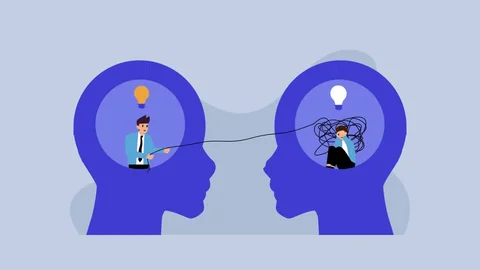
Creating the flyers with the QR code strengthened my ability to communicate more clearly and create different techniques to motivate participation from others, both of which are very important in psychology roles when dealing with community outreach, program coordination, and counseling support. Working with a marketing major helped me to practice my interdisciplinary skills, which is an important skill in psychology workplaces where the organization may collaborate with educators, business partners, or healthcare professionals. The way we handled this emphasized the habit of mind integrated perspective. I collaborated by working with a business major teammate and that required me to express my own ideas clearly while also listening to her different perspective on design and audience engagement. I also reflected self-awareness, since I became more aware of how my background in psychology shaped my approach to communication compared to the marketing viewpoint she brought to the project.
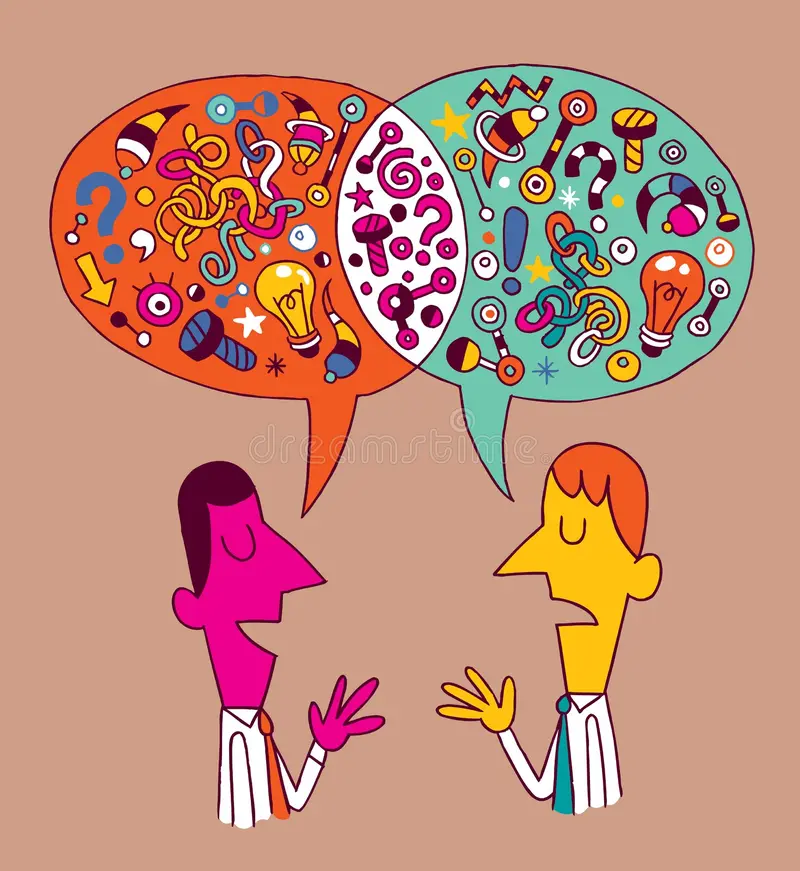
As my group and I organized the submissions and turned them into the mood board, it was important to consider representation, privacy, and the common themes. I felt this process represented the ethical responsibilities in psychology such as respecting patients perspectives and presenting the findings in a way that is both accurate and culturally appropriate. When choosing between which images and quotes to add onto the board, I used my critical thinking skills to examine whether my interpretations of the submissions were in the participants’ own words rather than my assumptions. This part of the process demonstrated the habit of problem solving and the signpost problem framing, because I had to organize the submissions responses and had to determine what counted as an accurate, ethical representation of the participants’ reflections. It also demonstrates decision-making and revision as I chose an approach for choosing the specific images and quotes that applied when something didn’t align with our goals.
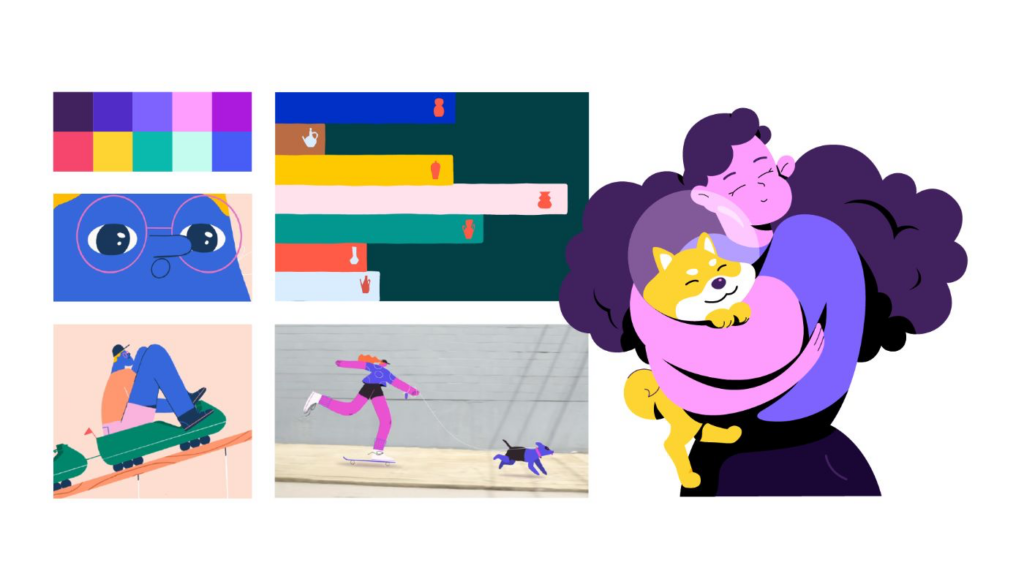
Ultimately, this project helped me to see how academic projects translate into real-world professional skills. From creating data collection tools to analyzing different emotional perspectives and collaborating across different opinions, each role I took throughout this process related to some of the responsibilities found in many psychology-related careers. Moving forward, I feel more confident in my ability to apply research methods, communicate with different groups, and engage thoughtfully with others. This project not only contributed to my academic growth but also my preparation for my career in psychology.
Sources Cited:
Wish, Ma. Colorful Countryside Landscape. Scenic Village with Hills, Trees, and Traditional Houses. stock illustration. 18 Apr. 2025. Istockphoto.Com, Istockphoto, https://www.istockphoto.com/vector/colorful-countryside-landscape-scenic-village-with-hills-trees-and-traditional-gm2210801619-627820709. Accessed 9 Dec. 2025.
Images, Creativa. Empathy and Emotional Support cartoon animation. 18 Feb. 2025. Shuttershock.Com, Shuttershock, https://www.shutterstock.com/video/clip-3712026841-empathy-emotional-support-cartoon-animation?trackingId=c2a29687-ae73-4581-b403-d53b36d46df1. Accessed 9 Dec. 2025.
Aliasching. Two people exchanging opinions & ideas. Dreamstime.Com, Dreamstime, https://www.dreamstime.com/royalty-free-stock-photography-opinions-ideas-image26938667. Accessed 9 Dec. 2025.
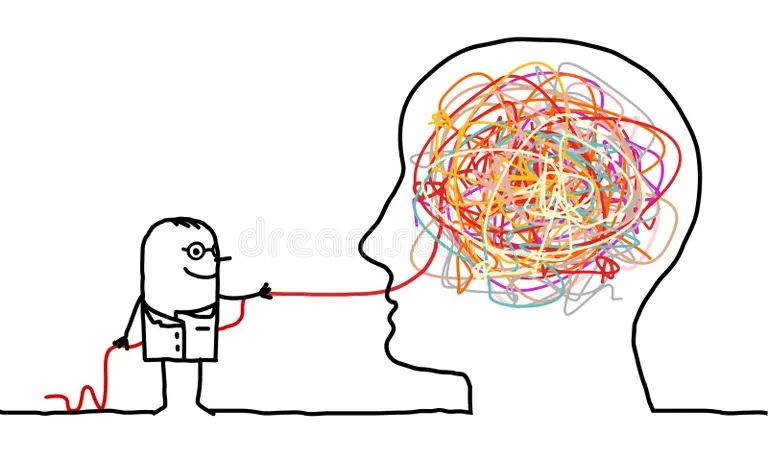
Moviesyan, Aram. What is a Moodboard? – How You Can Use it in Animation Production. Yansmedia.Com, Yansmedia.Com, https://www.yansmedia.com/blog/what-is-moodboard. Accessed 9 Dec. 2025. Dreamstime. Doctor untangling a brain knot. Vector hand drawn cartoon character – 5 116. Dreamstime.Com, Dreamstime, https://www.dreamstime.com/stock-photos-doctor-untangling-brain-knot-image14449863. Accessed 9 Dec. 2025.
Leave a Reply